What is mental health?
Mental health is about your feelings, how you think, and how you act. It is an important part of your overall health. It can even affect your physical health. Good mental health helps you deal with daily life, make good choices, and handle stress.
Many things can affect your mental health. As an immigrant, you might face different challenges that can affect how you feel. Adjusting to life in the USA can feel overwhelming or lonely. Leaving behind violence or being away from family and your cultural community can also impact how you feel.
When to consider getting help
Mental health is just as important as your physical health. Getting treatment can help you feel better and improve the quality of your life.
It may be time to seek support if:
- You often feel sad or anxious
- You are unable to cope with daily tasks
- You experience changes in sleeping or eating patterns
There is help out there for you. It can be hard to talk about your feelings, especially if this was not common in your home country. It is okay to need help and not something to be ashamed of.
Mental health looks different in every culture. You can get support in ways that feel comfortable for you.
Types of treatment
The two most common types of mental health treatment are:
- Therapy includes psychotherapy or ‘talk therapy’ but there are many different types. You can speak to a therapist by yourself or in a group.
- Medication is often prescribed in combination with therapy. Medication can help manage symptoms of mental health disorders.
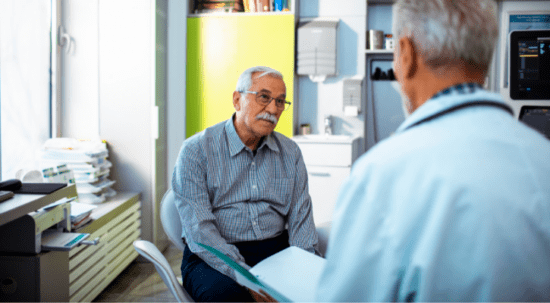
You can get mental health help in person at a clinic or talk to a provider online (telehealth) from your home.
Who can offer treatment?
Different professionals are trained to treat mental illnesses in the United States:
- Primary care providers are licensed to treat general health problems and can prescribe medication.
- Psychiatrists are medical doctors licensed to check for mental health problems, provide therapy, and prescribe medications.
- Psychologists are professionals licensed to test mental health problems and give therapy. Psychologists cannot prescribe medications.
- Social workers are licensed to assess and treat mental health problems.
- Counselors and therapists are licensed to provide therapy.
- Peer specialists are professionals who have experienced mental health conditions and are trained to offer emotional support.
Mental health professionals may work with specific groups, such as refugees or children. They may also be trained in specific areas and may focus on depression, addiction, or trauma. Many offer services that are culturally sensitive and some can provide support in languages other than English.
Your immigration status does not affect your ability to receive mental health services. You are not required to report your immigration status to healthcare providers.
How to find mental health services
It can take time to find the right mental health help but you have options. You can find help through your:
- Primary care doctor. They can check your mental health and refer you to specialists. Your health insurance may cover help.
- Friends and family. They might know good resources or professionals.
- Local resettlement agencies if you get ORR benefits as a refugee, asylee, or other eligible immigrant. They offer special support for immigrants.
- Community and religious organizations. These places often have mental health resources.
- School or college. They often provide student mental health services.
- Workplace programs. Check if your employer offers an Employee Assistance Program (EAP).
- Public library. Use them for information and local service recommendations.
You can also search for services and providers online:
Find resources
2-1-1 directory
List of mental health resources by zip code or city
Asian Mental Health Collective
List of services for Asian communities
Center for Victims of Torture
Mental health services and support for survivors of war and torture in Arizona, Georgia, and Minnesota
Coalition for Immigrant Mental Health
List of mental health services in Illinois for immigrant communities
HRSA Health Center Locator
List of centers providing general health and mental health services
Immigrants Rising
Helps undocumented youth find mental health support
Inclusive Therapists
List of culturally responsive counseling services
InReach
List of mental health and other resources for LGBTQ+ immigrants
Institute for Muslim Mental Health
Resources for Muslim Americans
Latinx Therapy
List of counseling services for the Latinx community in the U.S.
NAFC clinics
List of clinics that offer free or low-cost health services even without insurance
National Alliance on Mental Illness
List of mental health resources
Psychology Today
List of therapists by zip code
Find Treatment.gov
List of clinics that treat mental health problems or substance abuse
SAMHSA Substance Abuse Locator
List of facilities that treat substance abuse and addiction
South Asian Therapists
List of counseling services for the South Asian community in the U.S.
United We Dream
List of free or low-cost services for undocumented immigrants
USCRI Wellness Helpline
Counseling for new refugees and immigrants
Immediate help
It may take some time for you to get an appointment with a mental health provider. Here are ways to find support and care for yourself in the meantime.
- Reach out for support. Talk to your family or friends or someone you trust who can listen to you and offer support.
- Practice deep breathing exercises. Take slow, deep breaths to help calm yourself down. Try the 4-7-8 method. Breathe in for 4 seconds, hold your breath for 7 seconds, and exhale for 8 seconds.
- Do an activity you enjoy. Do something that will make you feel better, such as going for a walk, journaling, or listening to music.
- Be healthy. Eat balanced meals, stay hydrated, avoid alcohol, and aim for 7-9 hours of sleep each night to support your mood and energy levels.
- Call or text a crisis hotline.
- Join a support group.
Crisis hotlines
Crisis hotlines offer free support for people experiencing an emotional crisis. They keep your information confidential and do not share it with anyone. They are usually available at all hours of the day and every day of the week. All of these hotlines are staffed by counselors trained to listen and provide help. Some offer support in multiple languages.
Crisis hotlines
988 Suicide and Crisis Lifeline
988 (call or text)
Crisis Text Line
741741 (text)
Disaster Distress Helpline
800-985-5990 (call or text)
National Child Abuse Hotline
800-422-4453 (call or text)
National Domestic Violence Hotline
800-799-7233
88788 (text START)
National Human Trafficking Hotline
888-373-7888 (call)
233733 (text)
National Runaway Safeline
800-786-2929 (call or text)
National Sexual Assault Hotline
800-656-4673 (call)
Teen Line
800-852-8336 (call)
839863 (text)
Trevor Projectfor LGBTQ+ youth
866-488-7386 (call)
678678 (text)
Veterans Crisis Line
988 (call and press 1)
838255 (text)
Most of these lines also have an option to chat online. Visit their website to check. If you are texting any of these lines, texting “hello” should connect you to someone.
Call 911 if you are in immediate danger. Tell the operator you are having a mental health emergency. Learn more about how to call the police.
Peer support groups
Peer support groups are with people who have had similar experiences. In these groups, people get the chance to share their experiences and get support from people in their community.
- Immigrants Rising Wellness Support Groups are for undocumented groups, including Black, LGBTQ+, and Latinx individuals.
- NAMI Connection Support Groups are free and for anyone with a mental health condition.
- NAMI Family Support Groups are free and for family members who have loved ones with mental health conditions.
Mental health toolkits
USAHello ਤੋਂ ਹੋਰ ਜਾਣਕਾਰੀ
ਵਿਸ਼ੇਸ਼ ਜਾਣਕਾਰੀ ਦੀ ਭਾਲ ਕਰ ਰਹੇ ਹੋ?




ਇਸ ਪੰਨੇ ਉੱਤੇ ਦਿੱਤੀ ਜਾਣਕਾਰੀ mentalhealth.gov, NAMI, SAMHSA, ਅਤੇ ਹੋਰ ਭਰੋਸੇਯੋਗ ਸਰੋਤਾਂ ਤੋਂ ਪ੍ਰਾਪਤ ਕੀਤੀ ਜਾਂਦੀ ਹੈ। ਅਸੀਂ ਆਸਾਨੀ ਨਾਲ ਸਮਝ ਆਉਣ ਵਾਲੀ ਜਾਣਕਾਰੀ ਪ੍ਰਦਾਨ ਕਰਨ ਦਾ ਟੀਚਾ ਰੱਖਦੇ ਹਾਂ ਜੋ ਨਿਯਮਿਤ ਤੌਰ 'ਤੇ ਅਪਡੇਟ ਕੀਤੀ ਜਾਂਦੀ ਹੈ। ਇਹ ਜਾਣਕਾਰੀ ਕਾਨੂੰਨੀ ਸਲਾਹ ਨਹੀਂ ਹੈ।