What is TPS?
Temporary Protected Status (TPS) allows people from certain countries to stay and work in the U.S. if it is not safe for them to return home due to war, disasters, or other emergencies.
Is TPS for Haiti still valid?
Não.
Following a recent Supreme Court ruling, the government ended TPS for Haiti on July 27, 2026.
On August 5, a federal judge lifted the court order that had blocked the termination, making the end of TPS for Haiti official. TPS protection and TPS-based work authorization are no longer valid.
There are reports that immigration enforcement is starting in some areas where there are larger Haitian communities.
Get updates from the Haitian Bridge Alliance and National TPS Alliance.
(https://youtu.be/LSZ2lN40kvM?si=Djrqf5FuLu-715dX)
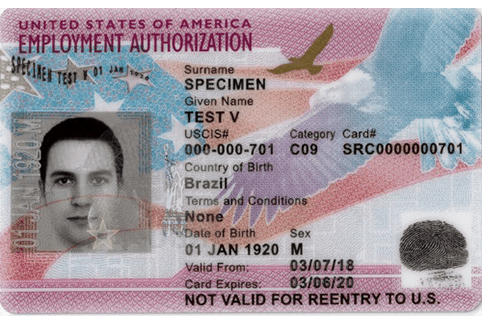
Can I still work with a TPS Haiti EAD?
Não.
USCIS currently lists July 27, 2026, as the expiration date for the TPS-based work permit extension.
You may still be able to work if you have a valid work permit through another immigration status or application.
Check USCIS news alerts for the latest updates.

Saiba como encontrar ajuda gratuita ou de baixo custo de advogados de imigração e representantes legais de confiança.
What happens when TPS ends?
If you do not have another legal immigration status besides TPS, you will become undocumented and lose your work authorization. If you stay without legal status, you will risk being detained, put in removal proceedings, and deported.
How to prepare
- Haitian Bridge Alliance offers help to Haitian immigrants in the U.S.
- Search a list of other places to get help that includes help by state.
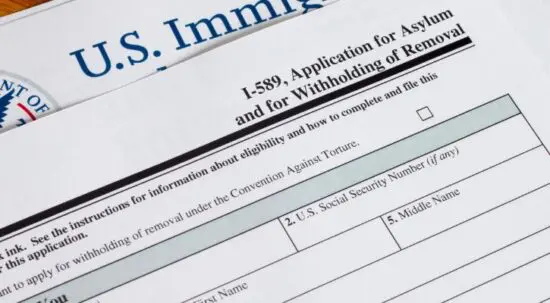
- Talk to an immigration lawyer. It is important to seek legal help and learn about your options for staying in the U.S.
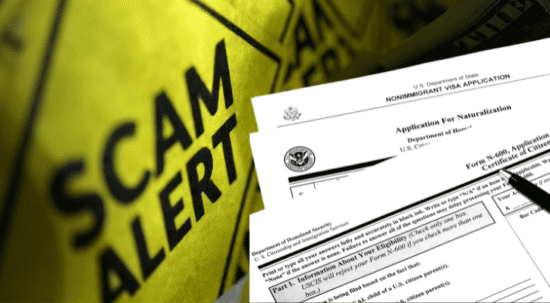
- Be careful of immigration scams, including notarios, fake websites, social media messages, and promises to quickly fix your status.
- Be prepared for ICE. Know your rights and how to create a safety plan.
- Understand immigration proceedings. Find steps to prepare for court.
- Know your rights in immigration detention. Learn what to expect and where to get help.
- Stay informed. Learn more about immigration changes under the Trump administration.
Mais da USAHello
Procurando informações específicas?



As informações nesta página vêm de DHS, USCIS, e outras fontes confiáveis. Nosso objetivo é oferecer informações fáceis de entender que sejam atualizadas constantemente. Estas informações não são um aconselhamento jurídico.