Important updates for Afghan nationals
New U.S. government rules affecting Afghan nationals took effect in November 2025. The updates below explain what has happened since then.
All visa processing for Afghan passport holders is paused.
- This pause mainly affects final decisions and visa issuance.
- The National Visa Center (NVC) is continuing to collect documents and accept visa applications.
- U.S. embassies and consulates may still interview visa applicants for some visa types.
- However, at the end of the interviews, U.S. embassies and consulates have stopped issuing all visas for people who use an Afghan passport. This includes immigrant visas, non-immigrant visas, and Special Immigrant Visas (SIVs).
- If a visa was approved but not issued yet, officers must cancel it under something called “212(f)”. Even though it is cancelled, it does not change the fact that you were eligible for approval, but you may have to apply again if and when the travel ban is no longer in place.
- U.S. embassies and consulates must send a notice to SIV applicants about 212(f) denials before your visa interview.
- You may want to talk to an immigration attorney and consider postponing your visa interview to avoid getting a 212(f) denial under the travel ban. If you choose to postpone your interview, you should contact the government every 6 months to request that your case remain active. Learn more.
Afghan Special Immigrant Visa (SIV) processing must continue, but visas are not being issued.
- On February 6, 2026, a federal court ruled that the government must continue processing Afghan SIV cases that were already submitted. The government cannot indefinitely pause review of pending SIV cases.
- Pending SIV cases should continue to be reviewed and decided.
- It does not require visas to be issued right now, and SIVs are not currently being issued for Afghans.
- It does not reopen travel to the United States.
- Afghans who have already received an SIV or other visa can continue to travel to the U.S. at this time.
- No new SIV applications can be submitted because the SIV program ended on December 31, 2025.
- If you had a pending Chief of Mission (COM) application, you must have submitted all requested documents by June 5, 2026.
Refugee resettlement for Afghan nationals is also paused.
- The U.S. government is not processing new refugee travel for Afghans right now.
- Refugee cases that were already in process are also paused while the government creates new security rules.
- We do not know when refugee processing will restart.
Afghanistan is a travel ban country.
- People from Afghanistan are not allowed to enter the U.S. unless they qualify for a rare exception
- Learn more about the travel ban and the additional rules.
A federal court ruled that USCIS must resume processing and deciding cases that it had paused for people from Afghanistan and travel ban countries.
Bạn có thể làm gì bây giờ
- Talk to a qualified immigration lawyer or legal representative before taking action on your case.
- Do not travel outside the United States. If you leave the U.S., you may not be able to return. If you need to travel, talk to an immigration lawyer first.
- Do not submit new applications until you get legal guidance.
- If you get a letter or notice from USCIS or another U.S. government office, do not ignore it. Read it and talk to a legal representative.
- Be prepared for ICE. There has been an increase in ICE arrests of Afghans without permanent status nationwide and in California.
- Find help with these organizations: Afghan Coalition, Afghan Evac, Muslim for Just Futures, and Project ANAR.
- Learn more from IRAP.
We stand with you. We will continue to share updates and support you as we learn more.

Điều quan trọng là phải tìm kiếm lời khuyên pháp lý từ luật sư Nhập cư hoặc đại diện được công nhận.
Understand Afghan status categories
Afghan evacuees could have humanitarian parole, a Special Immigrant Visa (SIV), asylum, or refugee status. Most Afghan evacuees will need to file additional paperwork to get legal status that allows them to stay in the USA permanently.
Ân xá nhân đạo
If you are a humanitarian parolee not eligible for the SIV program, your status is temporary. It lasts for up to 2 years.
Note: Decisions on parole applications for Afghans are paused indefinitely. See update at the top of the page.
Parolees can not get a Green Card. You must be approved for a different status to get lawful permanent residence. The best option for Afghan parolees may be to apply for asylum.
Người Afghanistan được đặc xá có đơn xin tái tạm tha, tị nạn hoặc điều chỉnh trạng thái khác đang chờ xử lý vẫn có thể nhận được trợ cấp ngay cả khi thời hạn đặc xá hiện tại của bạn kết thúc.
If you received a notice stating your parole is ending and you must leave the U.S., it may not be correct if you entered via OAW (but could be valid if you entered via CBP One). If you are affected, talk to an immigration lawyer as soon as possible.
Quy trình tái tạm tha
Nếu bạn được tạm tha nhân đạo thông qua Chiến dịch chào đón đồng minh (OAW), bạn có thể yêu cầu tái tạm tha. Những yêu cầu này được xem xét theo từng trường hợp cụ thể.
If your request was accepted, you can continue to live and work legally in the USA for an additional 2 years. You will also still be eligible for ORR services. The U.S. government may not allow people with parole to apply for re-parole a second time.
Để nộp đơn xin tái tạm tha, bạn phải hoàn thành và nộp Mẫu I-131 đã sửa đổi. Có thể thực hiện việc này trực tuyến hoặc qua thư. Mẫu đơn I-131 sẽ yêu cầu cả việc tái tạm tha và gia hạn giấy phép lao động của bạn. Không cần bất kỳ hình thức nào khác.
Note: Decisions on re-parole applications for Afghans are paused indefinitely. See update at the top of the page.
You will have to pay a $1,000 fee unless you qualify for an exception. The U.S. government will notify you and provide instructions on how to pay this fee if you are approved for parole. Do not pay this $1,000 fee when you submit Form I-131.
Mẹo để yêu cầu tái tạm tha:
- Hãy xem thẻ EAD của bạn để đảm bảo thông tin trùng khớp với thông tin bạn ghi trên biểu mẫu. Bao gồm cách viết tên, ngày sinh và Số Đăng ký Người nước ngoài của bạn.
- Nộp hồ sơ trực tuyến có thể giúp bạn tránh được những sai lầm thường gặp. Nếu bạn chọn nộp hồ sơ trực tuyến, bạn sẽ cần có tài khoản myUSCIS.
- Nộp hồ sơ càng sớm càng tốt để bạn không có nguy cơ bị gián đoạn tình trạng và mất quyền hưởng các quyền lợi và dịch vụ.
- Bạn có thể nộp đơn xin tái tạm tha ngay cả khi bạn đang nộp đơn xin một tình trạng khác, chẳng hạn như tị nạn.
- Xem lại danh sách các tài liệu cần chuẩn bị, bao gồm bản sao EAD và I-94 của bạn. (Danh sách cũng bằng دری / Dari và پښتو / Pashto)
- Xem lại những câu hỏi thường gặp này
If you change your address, you must notify USCIS within 10 days, even if you are moving to a temporary location. Use the USCIS Change of Address form.
Visa định cư đặc biệt (SIV)
You could have applied for an SIV if you were employed by the U.S. government, a U.S. contractor, or ISAF in Afghanistan for at least one year. Once you have a Chief of Mission Approval Letter (and, if required, an approved I-360 SIV), you can apply for a Green Card with Form I-485. You may have to attend an interview at your local USCIS office. You may be asked questions related to your status.
Note: Decisions on SIV applications are paused. See the update at the top of the page. The government is also not accepting new SIV applications filed after December 31, 2025, unless Congress passes a new law to extend the deadline.
Xin tị nạn
If you were forced to leave Afghanistan to escape persecution and you do not have SIV or refugee status, you may be eligible for asylum. Applying for asylum is a long process, but it offers a pathway to legally stay in the U.S. permanently.
You typically must file your application within one year of arrival in the USA. You may be eligible to apply after one year if you apply before your parole expires. Learn how to apply for asylum.
If you are approved for asylum, you will be eligible for certain benefits. You can apply for your Green Card one year after your asylum case is approved. You must be physically present in the U.S. for at least one year before USCIS can approve your application. You may have to answer questions about your status.
Người tị nạn
If you entered the U.S. as a refugee, you are required to apply for your Green Card one year after arrival. Your resettlement agency can help you find legal help to complete this application.
Note: Refugee resettlement for Afghan nationals is also paused. There may be reviews of the status of Afghan refugees already in the United States. See update at the top of the page.
Tình trạng Được Bảo Vệ Tạm Thời (TPS)
Chương trình TPS Afghanistan kết thúc vào ngày 21 tháng 7 năm 2025. Bạn không thể nộp đơn hoặc gia hạn TPS Afghanistan nữa.
Some Afghans have been detained by ICE during routine check-ins or court visits. Always carry proof of your immigration status and any pending case.
Thẻ xanh
Many Afghans, including refugees, asylees, SIVs, and their families, can apply for a Green Card. A Green Card allows you to live and work in the USA permanently.
USCIS has issued new guidance that may affect some Afghans applying for a Green Card from inside the U.S., especially people with parole. Learn more.
Giấy phép lao động
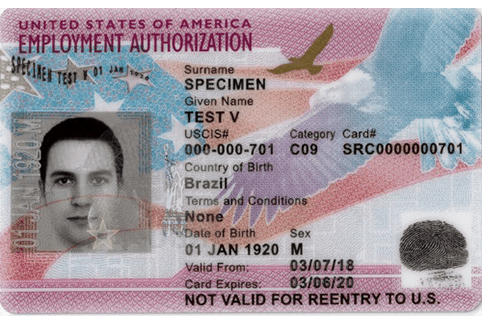
You can apply for a work permit or an Employment Authorization Document (EAD) if you have a qualifying status. This includes refugees, asylees, temporary protected status, and parole.
Note: Decisions on work permit applications for Afghans are paused. This does not apply to work permits filed as part of an initial asylum application. See update at the top of the page.
Đoàn tụ với các thành viên trong gia đình
You can apply for your spouse and unmarried children under 21 to come to the USA. There is no fee to apply for Form I-730.
- Người sở hữu Thẻ xanh nộp Mẫu I-130
- Người tị nạn và người xin tị nạn nộp mẫu đơn I-730
- Người sở hữu Thẻ xanh SIV nộp Mẫu I-824
- Người được ân xá nộp đơn DS-4317
Note: Decisions on family-based applications for Afghans are paused. See update at the top of the page.
Public benefits and ORR services
The U.S. government offers public benefits for essential services, including food, housing, healthcare, and education. You may be eligible for public benefits based on your immigration status and state rules.
Many lawful immigrants, including refugees and humanitarian parolees, may no longer get certain public benefits or may receive reduced benefits – even if they used to qualify. In particular, refugees who do not have Green Cards may no longer get federal food assistance. These policies will go into effect on different dates.
Office of Refugee Resettlement (ORR) services help refugees, asylees, SIV holders, and other new immigrants pay for basic needs as they settle in the United States.
Một số phúc lợi và dịch vụ của ORR đã ngừng hoặc thay đổi do các chính sách của chính quyền Trump. Các cơ quan tái định cư đã khởi động lại các dịch vụ hạn chế để hỗ trợ người tị nạn mới đến và SIV Afghanistan.
In early August, ORR began calling Afghans to connect them with services. Some advocates are concerned that information from these calls could be shared with ICE.
You do not have to answer the call, or you can skip any question. You can still contact a local refugee resettlement agency to ask about case management and other services many Afghans are eligible for, including Preferred Communities and Intensive Case Management.
Thêm từ USAHello
Bạn muốn tìm kiếm thông tin cụ thể?



Thông tin trên trang này đến từ DHS, USCIS, IRAP, CLINIC, MPI, và các nguồn đáng tin cậy khác. Chúng tôi mong muốn cung cấp thông tin dễ hiểu được cập nhật thường xuyên. Thông tin này không phải là lời khuyên pháp lý.